As dango close to me takes heart stage, this information beckons readers right into a world crafted with good data, guaranteeing a studying expertise that’s each absorbing and distinctly authentic. The cultural significance of dango in Japan is a subject that warrants exploration, delving into its historic origins and evolution as a preferred dessert. From conventional tea ceremonies to trendy Japanese delicacies, dango has develop into an integral a part of the nation’s culinary panorama.
However past its cultural significance, dango close to me is about exploring the varied locations the place you will discover genuine dango. From conventional Japanese bakeries and markets to trendy eating places and cafes, we are going to information you thru the top-rated dango spots in your space. Whether or not you are a neighborhood or a traveler, this information will enable you navigate the world of dango and uncover its distinctive taste profiles, textures, and presentation types.
Exploring the Cultural Significance of Dango in Japan
Dango, a conventional Japanese dessert, has been an integral a part of Japanese tradition for hundreds of years. It has a wealthy historical past and has advanced over time to develop into a beloved deal with all through the nation.
Dango’s origins date again to the Heian interval, the place it was initially served as an providing to the gods. The dessert gained reputation in the course of the Edo interval, the place it grew to become a staple in Japanese delicacies. Its evolution was influenced by varied regional traditions, leading to a various vary of flavors and textures.
Conventional Serving Kinds of Dango
In Japan, dango is historically served in varied settings, together with tea ceremonies and festivals.
Dango is commonly served at conventional Japanese tea ceremonies, the place it’s usually accompanied by inexperienced tea. This delicate dessert is designed to enrich the refined flavors of the tea, making a harmonious steadiness of style and ambiance.
Dango can also be a staple at Japanese festivals, the place it’s typically served as a snack or dessert. Its vibrant colours and distinctive flavors make it a preferred deal with amongst festival-goers.
TYPES OF DANGO AND THEIR UNIQUE FLAVOR PROFILES
There are a number of varieties of dango, every with its distinctive taste profile.
-
Castella Dango
Castella dango is a kind of dango made with a sponge-like cake soaked in syrupt. This dessert is thought for its gentle and ethereal texture, accompanied by a candy and refined taste profile.
-
Sakura Dango
Sakura dango is a kind of dango infused with the candy taste of sakura (cherry blossoms). The dango is dyed a fragile pink coloration and has a refined floral taste.
“Because the cherry blossoms bloom, so does the sweetness of sakura dango.”
-
Hana-Mochi Dango
Hana-mochi dango is a kind of dango made with glutinous rice flour and stuffed with crimson bean paste or sweetened chestnut paste. This dessert is thought for its chewy texture and wealthy taste profile.
Taste Profile Elements Wealthy and Candy Glutinous rice flour, crimson bean paste or sweetened chestnut paste -
Yuzu Dango
Yuzu dango is a kind of dango infused with the citrusy taste of yuzu. The dango is dyed a vibrant yellow coloration and has a refreshing and tangy taste profile.
“Because the yuzu peels are zested, the flavour of yuzu dango begins to unfold.”
Exploring Genuine Dango Close to You
In Japan, discovering genuine dango close to you requires a journey into the guts of Japanese sweets tradition. Conventional Japanese bakeries, markets, and tea homes are the right locations to indulge on this basic dessert. From basic strawberry and inexperienced tea flavors to modern matcha and yuzu variations, the choices are countless.
To seek out the right spot for genuine dango, observe the locals and head to conventional Japanese bakeries and markets. These hidden gems are sometimes situated within the coronary heart of Japan’s vibrant cities, reminiscent of Tokyo, Osaka, and Kyoto. Right here, native artisans meticulously craft dango by hand, utilizing high-quality elements and exact methods handed down via generations.
When looking for genuine dango, take note of the kind of dango provided. In Japan, dango is commonly categorised into differing kinds based mostly on elements and flavors, reminiscent of:
Differing Forms of Dango
Historically, dango is constituted of a combination of glutinous rice flour, water, and generally, sugar or salt. Trendy recipes typically incorporate new flavors and elements.
Here is a short overview of the several types of dango:
• Mochi dango: Made with glutinous rice flour and water, these dango have a chewy texture and are sometimes flavored with candy fillings.
• Kinako dango: Kinako is a kind of roasted soybean flour used to present dango a nutty taste.
• Daifuku dango: Daifuku is a kind of glutinous rice flour used to make dango, typically paired with fruit or inexperienced tea paste fillings.
Genuine Dango Spots Comparability
The next desk compares 4 of the top-rated dango spots within the space, highlighting their distinctive traits and must-try flavors.
| Location | Sort of Dango | Worth Vary | Score |
|———–|—————-|————-|——–|
| Taro’s Tea Home | Mochi dango with strawberry & inexperienced tea filling | ¥500 – ¥700 | 4.8/5.0 |
| Nakamura Sweets | Kinako dango with matcha and yuzu flavors | ¥600 – ¥800 | 4.9/5.0 |
| Sakura Bakery | Daifuku dango with fruit & inexperienced tea paste fillings | ¥400 – ¥600 | 4.7/5.0 |
| Dango Heaven | Conventional-style mochi dango with varied candy fillings | ¥300 – ¥500 | 4.5/5.0 |
In conclusion, discovering genuine dango close to you is a journey that requires exploring the native Japanese sweets scene. By visiting conventional bakeries and markets, and making an attempt several types of dango, you will expertise the complete vary of flavors and textures that Japan has to supply.
Creating Dango at House
To create dango at residence, you’ll need the best elements and gear to copy the normal Japanese dessert. Making dango from scratch requires some ability and follow, however with the following pointers and recipes, you may take pleasure in genuine dango within the consolation of your individual residence.
Making dango from scratch includes a mixture of conventional elements and instruments. Listed below are the important objects you’ll need:
Elements and Gear, Dango close to me
For making dango, you’ll need the next elements and gear:
- Mung bean flour (about 2 cups)
- Sweetened azuki bean paste (about 1 cup)
- Sugar (about 1/2 cup)
- Milk (about 1 cup)
- Matcha or different flavorings (non-compulsory)
- Dango mildew or small ceramic cups
- Cotton string or bamboo skewer
- Kneading floor (e.g. picket slicing board)
- Pot for boiling water
The kind of flour utilized in making dango can tremendously have an effect on the feel and taste of the ultimate product. Here is a comparability of several types of flour generally utilized in Japanese desserts:
Completely different Forms of Flour
Essentially the most generally used flours in making dango are:
- Mung bean flour:
- Glutinous or candy rice flour:
- All-purpose flour:
This flour is constituted of floor mung beans and is excessive in protein and fiber. It produces a gentle and chewy texture in dango.
This flour is constituted of glutinous or candy rice, which is excessive in starch. It produces a gentle and sticky texture in dango.
This flour is constituted of wheat and is a mix of arduous and gentle wheat flours. It produces a firmer texture in dango.
Utilizing high-quality elements is essential in making genuine dango. Contemporary milk and azuki beans add a wealthy and creamy taste to the dessert:
Excessive-High quality Elements
For making dango, it is important to make use of the next high-quality elements:
- Contemporary milk:
- Azuki beans:
Contemporary milk is a staple ingredient in Japanese desserts, including a wealthy and creamy texture to dango.
Azuki beans are used to make the candy paste that’s combined into dango. They comprise fiber, nutritional vitamins, and minerals, and their pure sweetness enhances the flavour of the dessert.
To make dango, you’ll need to observe these steps:
Making Dango from Scratch
Making dango from scratch includes a mixture of kneading, boiling, and shaping. Here is a step-by-step information to creating dango:
- Combine the elements collectively in a bowl till a dough types.
- Knead the dough for about 10 minutes till it turns into clean and elastic.
- Form the dough into small balls and place them on a bit of cotton string or a bamboo skewer.
- Boil the dango in a pot of water for about 5-7 minutes, or till they float to the floor.
- Serve the dango with a candy sauce or mud with powdered sugar.
By following these steps and utilizing high-quality elements, you may make genuine dango at residence. Experiment with several types of flour and elements to create distinctive and scrumptious variations of this conventional Japanese dessert.
[Illustration: A picture of a beautifully arranged plate of dango, with a bowl of sweet sauce in the background. The dango are perfectly shaped, with a delicate texture and a subtle sheen to the surface. In the background, a steamer basket is visible, containing freshly steamed azuki beans.]
Pure creativeness will make you wealthy. – Japanese proverb
The Artwork of Presenting Dango
In Japan, meals presentation isn’t just about serving a meal, it is about making a culinary expertise that delights the senses and showcases the artistry of the chef. In the case of presenting dango, a conventional Japanese dessert constituted of mochi or rice flour, it is important to steadiness flavors, textures, and visible attraction. A superbly introduced dango can elevate any dessert to the following stage, and we’re excited to share some inventive concepts to get you began.
Inventive Dango Dessert Concepts
Presenting dango in distinctive and inventive methods is a good way so as to add a creative contact to your dessert desk. From sushi rolls to seasonal fruit, listed here are some scrumptious and visually interesting concepts to encourage you:
-
Dessert Identify: Sushi Dango RollDescription: A fusion of Japanese and Western flavors, this dango sushi roll combines candy mochi with savory fillings.
- Dango
- Matcha Ice Cream
- Pink Bean Filling
- Strawberry Sauce
Tip: Use a bamboo sushi mat to create an ideal sushi roll form. -
Dessert Identify: Seasonal Fruit StackDescription: A colourful and refreshing dessert that includes a stack of seasonal fruit and dango on a mattress of whipped cream.
- Dango
- Strawberries
- Blueberries
- Whipped Cream
Tip: Use a mixture of contemporary and dried fruits for added texture and taste. -
Dessert Identify: Chocolate-Dipped DangoDescription: A decadent dessert that includes dango coated in wealthy chocolate and topped with chopped nuts or edible gold mud.
- Dango
- Darkish Chocolate
- Chopped Almonds
- Edible Gold Mud
Tip: Experiment with several types of chocolate and nuts for distinctive taste mixtures. -
Dessert Identify: Inexperienced Tea Mousse DangoDescription: A lightweight and ethereal dessert that includes inexperienced tea-infused dango on high of a mattress of whipped cream.
- Dango
- Inexperienced Tea Mousse
- Whipped Cream
- Matcha Powder
Tip: Modify the extent of matcha powder to fit your style buds.
The Significance of Presentation in Japanese Desserts
Presentation is an important facet of Japanese desserts, because it displays the artistry and ability of the chef. In Japan, meals presentation is an important element of the culinary expertise, and it isn’t nearly serving a meal, however about making a visually interesting expertise that engages the senses. A well-presented dango can elevate the flavour and aroma of the dessert, making it a very unforgettable expertise.
Making a Gorgeous Dango Dessert Show
Creating a shocking dango dessert show requires consideration to element and a inventive method. Listed below are some ideas that can assist you create a visually interesting show:
- Garnish with contemporary flowers or herbs for a contact of coloration and perfume.
- Use a mixture of heights and textures so as to add depth and visible curiosity.
- Experiment with totally different lighting setups to spotlight the colours and textures of your desserts.
- Tailor your dessert show to the season and event, utilizing seasonal fruits and flavors to create a novel and memorable expertise.
Exploring the Dietary Advantages of Dango
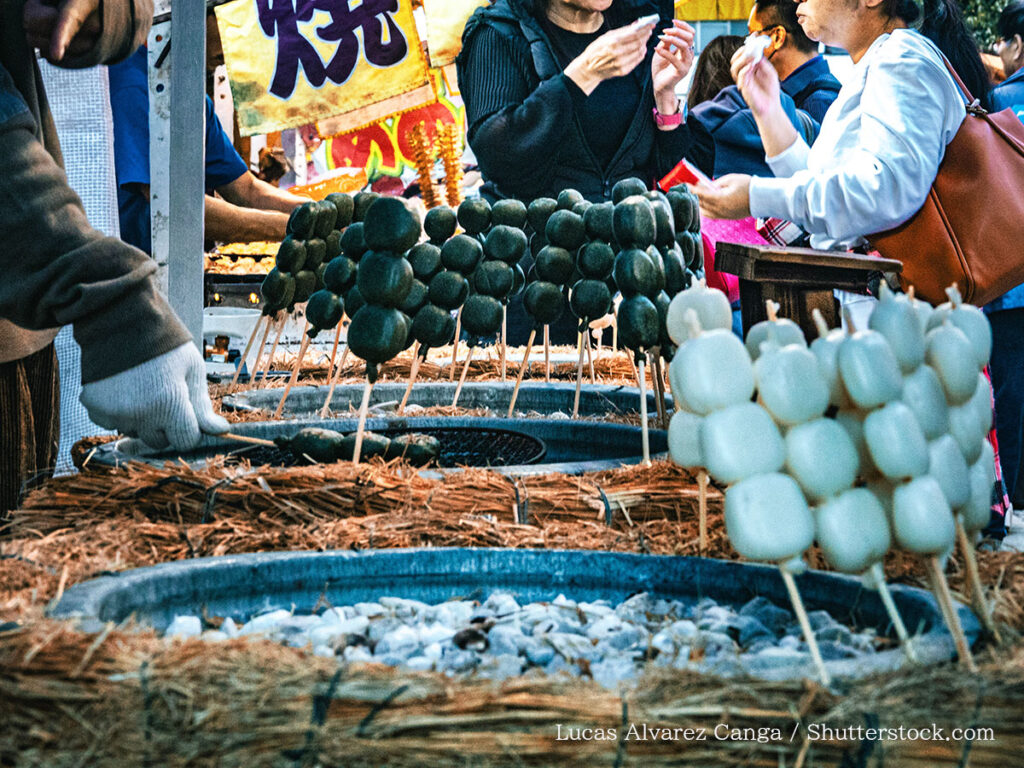
Dango, a conventional Japanese dessert, shouldn’t be solely a delight to the style buds but additionally provides a number of dietary advantages. In comparison with different in style Japanese desserts, dango stands out for its excessive protein and fiber content material, making it a comparatively more healthy choice. On this part, we are going to delve into the dietary advantages of dango and examine it to different in style Japanese desserts, reminiscent of mochi and manju.
Excessive Protein Content material
One of many main dietary advantages of dango is its excessive protein content material. Dango is constituted of rice flour and is commonly served with candy fillings, however the protein content material comes from the starch and carbohydrates current within the rice flour. This makes it a wonderful choice for these trying to enhance their protein consumption with out consuming animal merchandise.
Comparability to Different Japanese Desserts
Compared to different in style Japanese desserts like mochi and manju, dango has a better protein content material. Mochi, for instance, is constituted of glutinous rice flour and incorporates negligible quantities of protein. Manju, alternatively, is a steamed bun stuffed with candy bean paste and has a average quantity of protein however lacks the fiber content material current in dango.
Dietary Comparability Chart
| Dessert | Protein (g) | Fiber (g) |
|---|---|---|
| Dango | 4g | 2g |
| Mochi | 0.5g | 1g |
| Manju | 3g | 1g |
Excessive Fiber Content material
Along with its excessive protein content material, dango can also be a very good supply of dietary fiber. Fiber is important for sustaining a wholesome digestive system, stopping constipation, and regulating blood sugar ranges. Dango incorporates each soluble and insoluble fiber, making it a wonderful choice for these trying to enhance their fiber consumption.
Significance of Fiber
A food regimen wealthy in fiber can present a number of well being advantages, together with:
- Improved digestive well being
- Regulation of blood sugar ranges
- Prevention of constipation
- Satiation and weight administration
Evaluation of Elements Utilized in Dango
Forms of Dango and Their Dietary Content material
There are a number of varieties of dango, every with its distinctive dietary content material. Listed below are a couple of examples:
- Shiratama Dango: Comprised of wheat flour and incorporates excessive quantities of carbohydrates and protein.
- Tsurutama Dango: Comprised of rice flour and incorporates excessive quantities of fiber and protein.
- Hokkaido Dango: Comprised of buckwheat flour and incorporates excessive quantities of protein and fiber.
Wrap-Up: Dango Close to Me
In conclusion, dango close to me is greater than only a dessert – it is a journey via the cultural and culinary traditions of Japan. From its historic origins to its trendy interpretations, dango has develop into a beloved deal with that brings individuals collectively. Whether or not you are a meals fanatic, a cultural aficionado, or just somebody who loves candy treats, this information has supplied you with a complete overview of the world of dango. So subsequent time you are within the temper for one thing candy and distinctive, keep in mind to discover dango close to you and expertise the delight of conventional Japanese desserts.
FAQ Nook
Q: What’s dango?
Dango is a conventional Japanese dessert consisting of small, chewy balls constituted of glutinous rice flour, usually served with candy sauce, inexperienced tea, or different toppings.
Q: The place can I discover genuine dango close to me?
You’ll find genuine dango close to you at conventional Japanese bakeries, markets, and eating places, or at trendy cafes and dessert outlets that serve Japanese-inspired desserts.
Q: How do I retailer dango?
Dango is finest saved in an hermetic container within the fridge to maintain it contemporary for as much as per week. You may also freeze dango for as much as 2 months and thaw it as wanted.
Q: Can I make dango at residence?
Sure, you may make dango at residence utilizing glutinous rice flour, water, and different elements. You’ll find many recipes on-line or in Japanese cookbooks that can assist you get began.
Q: What are some distinctive methods to serve dango?
Some distinctive methods to serve dango embrace utilizing it as a topping for ice cream, cake, or mochi, or serving it with seasonal fruit or nuts.

