As sake close to me takes heart stage, this fascinating matter invitations readers to discover the wealthy cultural heritage and numerous styles of sake. With its distinctive historical past, brewing strategies, and pairing prospects, sake has turn into an integral a part of Japanese traditions and trendy delicacies alike.
This complete Artikel delves into the cultural significance of sake, exploring its position in Japanese weddings, festivals, and tea ceremonies, in addition to its historic improvement, conventional brewing strategies, and significance of utilizing high-quality rice.
The Cultural Significance of Sake in Japanese Traditions
In Japan, sake is greater than only a beverage – it is a image of tradition, custom, and heritage. The nation has a wealthy historical past of sake brewing, courting again over 2,000 years, with its roots in Shinto rituals and ceremonies. Sake performs a big position in lots of Japanese customs, significantly in weddings, festivals, and tea ceremonies, the place it is usually served as an providing to the gods or as a approach to promote concord and prosperity.
The Position of Sake in Japanese Weddings
In Japanese weddings, sake is an integral a part of the ceremony, the place it is served to the bride and groom as a approach to symbolize their union and dedication to one another. The bride is usually showered with sake by the groom and his household as a gesture of fine luck and prosperity. This historical custom is believed to have originated from the concept that sake was a logo of fertility and abundance, and that by serving it to the bride, the couple could be blessed with a fruitful and pleased marriage.
Sake can also be served on the reception, the place it is usually loved by company in the course of the meal or as a toast to the newlyweds. In some conventional Japanese weddings, the bride and groom are additionally required to drink sake from the identical cup, referred to as the “sake cup,” as a approach to seal their bond and dedication to one another.
The Significance of Sake in Japanese Festivals
Sake performs a vital position in lots of Japanese festivals, significantly in the course of the New Yr’s (Oshogatsu) celebrations, the place it is served as an providing to the gods and as a approach to promote good luck and prosperity within the coming yr. Sake can also be served at festivals such because the Cherry Blossom (Hanami) viewing events, the place it is loved by company in the course of the meal or as a toast to the fantastic thing about nature.
As well as, sake can also be served at different festivals, such because the Star Competition (Tanabata), the place it is believed to convey good luck and prosperity to those that drink it. Sake can also be served in the course of the Obon Competition, the place it is supplied to the spirits of the lifeless as a approach to honor their reminiscence and search their blessing.
Conventional Sake-Brewing Strategies
Sake brewing is a labor-intensive course of that entails a number of steps, together with brewing, fermentation, and mixing. Conventional sake-brewing strategies contain the usage of high-quality rice, water, and yeast, that are mixed in a selected ratio to create the right sake.
In conventional sake brewing, the rice is first polished to take away extra bran and impurities, leading to the next focus of starch within the rice. The rice is then combined with water and yeast in a big tank, the place it is allowed to ferment for a number of days. The combination is then filtered and blended with further substances, equivalent to sake kasu (sake lees) and koji (aspergillus oryzae), to create the right sake.
The Significance of Utilizing Excessive-High quality Rice in Sake Brewing
Excessive-quality rice is important in sake brewing, because it supplies the muse for the sake’s taste, aroma, and texture. Japanese rice is particularly bred for sake manufacturing, with varieties equivalent to Yamada Nishiki and Gohyakumangoku being widespread decisions.
Rice is polished to take away extra bran and impurities, leading to the next focus of starch within the rice. This course of, referred to as “milling,” is important in growing the sake’s taste and texture. Sake breweries additionally use particular yeast and koji to ferment the rice, as these microorganisms play an important position in changing the starches within the rice into fermentable sugars.
Sake is usually described as having a fragile, nuanced taste, which is due partly to the high-quality rice utilized in its manufacturing. The usage of premium rice varieties, coupled with conventional brewing strategies, leads to a sake that is each refined and sophisticated.
Evolution of Sake in Japanese Tradition
Sake has a wealthy historical past in Japan, courting again over 2,000 years. The nation’s distinctive local weather and geography have contributed to the evolution of sake brewing, with completely different areas growing their distinctive sake-brewing kinds.
Within the historical days, sake was brewed from rice, water, and sake kasu (sake lees), with the fermentation course of going down in massive earthen pots. Sake was initially brewed for ceremonial functions, equivalent to Shinto rituals and tea ceremonies.
All through the centuries, sake brewing has developed, with the introduction of recent brewing strategies and gear. At the moment, sake is brewed utilizing trendy gear and know-how, with a concentrate on high quality and consistency.
Regardless of these developments, conventional sake-brewing strategies proceed to be practiced, with many breweries nonetheless utilizing historical strategies and recipes handed down by means of generations. The usage of high-quality rice and conventional brewing strategies leads to a sake that is each genuine and distinctive.
Conclusion
Sake is an integral a part of Japanese tradition, taking part in a big position in weddings, festivals, and tea ceremonies. Its wealthy historical past and distinctive brewing strategies have contributed to its evolution, with completely different areas growing their distinctive sake-brewing kinds.
Excessive-quality rice is important in sake brewing, offering the muse for the sake’s taste, aroma, and texture. Conventional sake-brewing strategies, coupled with premium rice varieties, lead to a sake that is each refined and sophisticated.
In Japan, sake is greater than only a beverage – it is a image of tradition, custom, and heritage. Whether or not it is served at a marriage, pageant, or tea ceremony, sake is a vital a part of Japanese customs, selling concord, prosperity, and good luck.
Exploring Sake Varieties: Sake Close to Me
In terms of sake, not all varieties are created equal. Sake classification is a posh course of, however it all begins with the rice high quality, water, and fermentation. Every sort of sake has a novel taste profile, aroma, and texture that units it aside from others.
In Japan, sake is assessed into six classes: Junmai, Ginjo, Daiginjo, Honjozo, Sake (also referred to as Tokutei Meisho), and Shochu. We’ll dive deeper into the primary three classes, as they’re probably the most well-known and widespread amongst sake fanatics.
Junmai Sake
Junmai sake is a sort of sake that’s constituted of solely rice, water, and koji (a sort of fungus). This sort of sake doesn’t comprise any added brewer’s alcohol, which suggests it undergoes an extended fermentation course of to realize the specified degree of alcohol. Junmai sakes are identified for his or her wealthy, full-bodied taste and easy texture.
- Wealthy, full-bodied taste with notes of fruit, sweetness, and umami
- Easy texture with a balanced acidity
- Flavors of rice, wheat, or barley
- Typically brewed utilizing conventional strategies and strategies
- Comprised of high-quality rice with a excessive starch content material
- Normally aged for an extended interval to develop a richer taste
Ginjo Sake
Ginjo sake is a sort of sake that’s constituted of premium rice with a excessive starch content material. This sort of sake undergoes an extended fermentation course of than Junmai sake, which ends up in a lighter, extra delicate taste and a crisper texture. Ginjo sakes are identified for his or her floral and fruity aromas and flavors.
- Lighter, extra delicate taste with notes of fruit, flowers, and honey
- Crisper texture with a refreshing acidity
- Flavors of rice, fruit, and floral notes
- Comprised of high-quality rice with a excessive starch content material
- Undergoes an extended fermentation course of to realize a lighter taste
- Normally priced increased than Junmai sake because of the premium rice used
Daiginjo Sake
Daiginjo sake is a sort of sake that’s constituted of the very best high quality rice with a extraordinarily excessive starch content material. This sort of sake undergoes a good longer fermentation course of than Ginjo sake, leading to a lighter, extra delicate taste and a crisp, refreshing texture. Daiginjo sakes are identified for his or her advanced and refined flavors, with notes of fruit, flowers, and spices.
- Lightest, most delicate taste with notes of fruit, flowers, and spices
- Crispiest texture with a refreshing acidity
- Flavors of rice, fruit, and floral notes
- Comprised of the very best high quality rice with an especially excessive starch content material
- Undergoes a good longer fermentation course of to realize a lighter taste
- Normally priced the very best among the many three classes because of the premium rice used
Sake classification is a posh course of, however it all begins with the rice high quality, water, and fermentation. Every sort of sake has a novel taste profile, aroma, and texture that units it aside from others.
Beneath is a desk evaluating the primary traits of Junmai, Ginjo, and Daiginjo sakes:
| Sake Class | Rice High quality | Taste Profile | Texture | Value Vary |
|---|---|---|---|---|
| Junmai | Prime quality rice | Wealthy, full-bodied taste | Easy, balanced acidity | Mid-range to inexpensive |
| Ginjo | Premium rice with excessive starch content material | Lighter, extra delicate taste | Crisper, refreshing texture | Increased than Junmai sake |
| Daiginjo | Excessive prime quality rice with excessive starch content material | Lightest, most delicate taste | Crispiest, refreshing texture | highest among the many three classes |
The Artwork of Pairing Sake with Meals: A Information to Conventional and Trendy Combos
Pairing sake with meals is a fragile artwork that requires an understanding of each the flavors and the traditions behind every dish. In Japan, sake pairing is a vital a part of eating etiquette, and it is not nearly matching sake with meals, but additionally in regards to the cultural significance and emotional connection that comes with it.
On this information, we’ll discover traditional sake pairings with conventional Japanese dishes, in addition to trendy combos with Western delicacies. You will learn to impress your family and friends with distinctive pairings at your subsequent gathering.
Traditional Sake Pairings with Japanese Dishes
Traditional sake pairings are rooted in custom and cultural significance. For instance, sake is usually paired with sushi to enrich its delicate flavors and textures. The secret is to decide on a sake that enhances the flavour profile of the sushi, whether or not it is a wealthy and full-bodied sake for fatty fish or a light-weight and refreshing sake for delicate maki rolls.
Detailed Traditional Sake Pairings with Japanese Dishes
- Pair sake with sushi: Attempt pairing sake with spicy tuna or salmon sushi for a flavorful and invigorating mixture. For a extra delicate taste, pair sake with cucumber or avocado maki rolls.
-
Sake’s citrus and floral notes complement the fish’s delicate flavors and textures.
- Pair sake with tempura: For a crispy and savory mixture, pair sake with shrimp or vegetable tempura. The sake’s gentle and refreshing flavors reduce by means of the wealthy and oily tempura batter.
-
The sake’s acidity and dryness stability out the tempura’s richness and oiliness.
Trendy Sake Pairings with Western Delicacies
Trendy sake pairings with Western delicacies provide countless prospects and alternatives for inventive and distinctive combos. From savory meat dishes to candy desserts, there is a sake to pair with each meal.
Detailed Trendy Sake Pairings with Western Delicacies
- Pair sake with grilled meats: For a smoky and savory mixture, pair sake with grilled steak or rooster. The sake’s wealthy and full-bodied flavors complement the charred and smoky flavors of the grilled meats.
-
The sake’s daring and fruity flavors stability out the smokiness of the grilled meats.
- Pair sake with cheese: For a creamy and savory mixture, pair sake with wealthy and tangy cheeses like brie or goat cheese. The sake’s acidity and dryness reduce by means of the creaminess of the cheese.
-
The sake’s crisp and refreshing flavors stability out the richness and creaminess of the cheese.
Sake Pairings for Particular Events
Sake pairing is not only restricted to common meals, but additionally to particular events like birthday events and vacation gatherings. For a memorable and distinctive expertise, attempt pairing sake with a wide range of dishes and flavors.
Detailed Sake Pairings for Particular Events
- Pair sake with a buffet: For a full of life and festive mixture, pair sake with a wide range of dishes at your subsequent buffet. The sake’s gentle and refreshing flavors complement a variety of flavors and textures.
-
Sake’s versatility and adaptableness make it the right pairing for a buffet.
- Pair sake with a vacation feast: For a wealthy and savory mixture, pair sake with a conventional vacation feast like turkey or ham. The sake’s full-bodied and fruity flavors complement the wealthy and savory flavors of the vacation dishes.
-
The sake’s daring and full-bodied flavors stability out the richness and savory flavors of the vacation dishes.
Sake Tasting and Appreciation: A Newbie’s Information
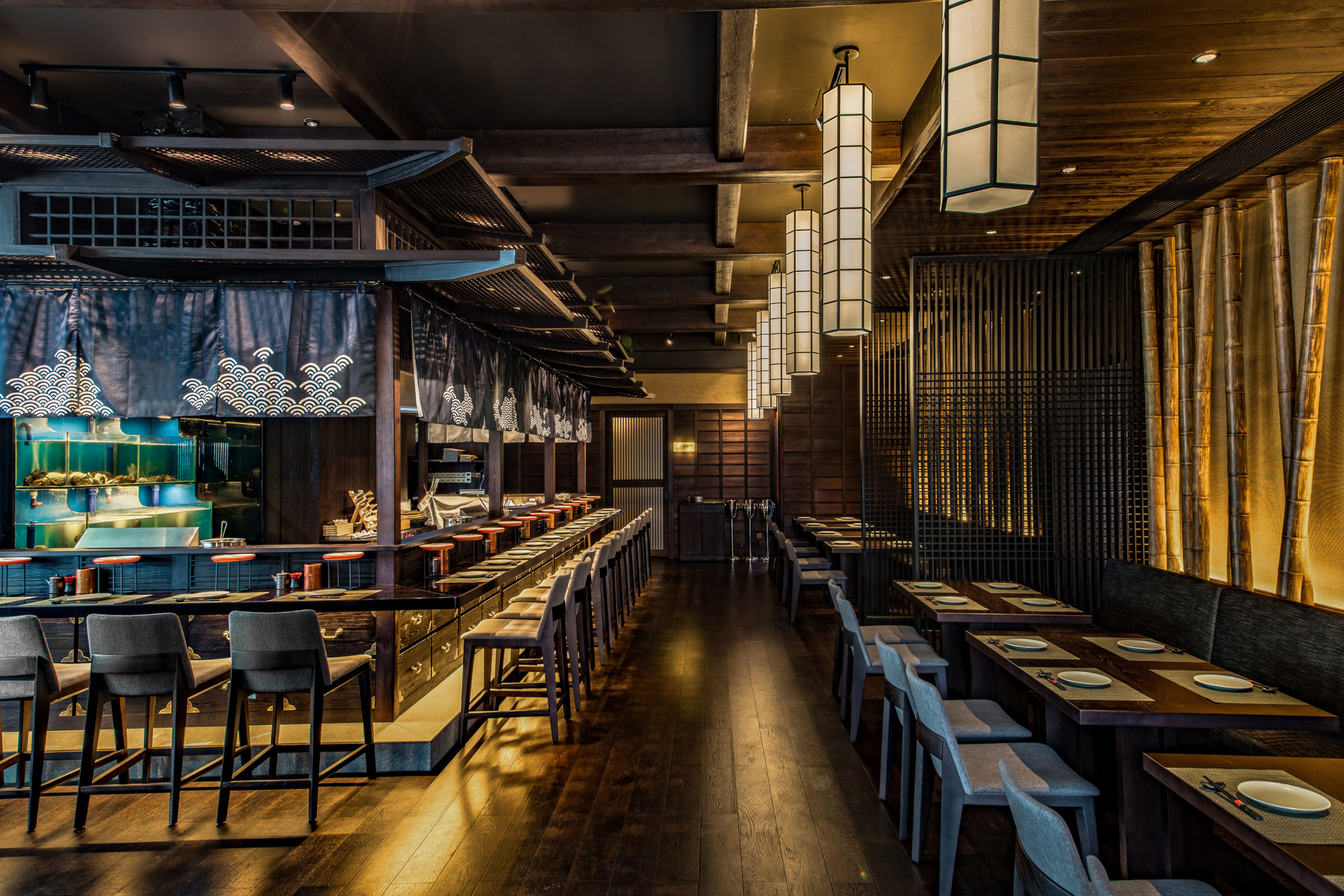
Sake tasting is an artwork that requires endurance, observe, and a eager sense of odor and style. Whether or not you are a seasoned connoisseur or a sake beginner, this information will provide help to navigate the world of sake tasting and appreciation.
Optimum Circumstances for Serving and Tasting, Sake close to me
In terms of serving and tasting sake, the temperature and atmosphere play an important position in bringing out the complexities of the sake. Listed below are some tips to observe:
- Temperature: Sake is usually served between 40°F and 55°F (4°C to 13°C). This temperature vary permits the flavors and aromas to shine by means of.
- Lighting: A dimly lit room or a sake tasting room with smooth lighting is right, as extreme gentle can alter the colours and aromas of the sake.
- Glassware: Use a sake glass, also referred to as a guinomi or ochoko, which is particularly designed to convey out the nuances of the sake.
- Meals pairing: Sake is usually paired with Japanese delicacies, however be happy to experiment with different dishes. Historically, sake is paired with gentle flavors and delicate textures.
When tasting sake, it is important to concentrate to its look, aroma, style, and end.
The Primary Methods of Sake Tasting
Tasting sake entails utilizing your senses to determine its numerous traits. Here is a step-by-step information that can assist you get began:
- Look: Maintain the sake as much as the sunshine and observe its shade, readability, and bubbles. Sake can vary in shade from pale yellow to wealthy gold.
- Aroma: Deliver the sake near your nostril and inhale slowly. Sake aromas may be delicate and refined, so take note of the nuances.
- Style: Take a sip of the sake and let it linger in your palate. Discover the flavors, acidity ranges, and texture.
- End: After swallowing, take note of the lingering flavors and sensations in your mouth and throat.
To judge sake high quality and recommend pairing strategies, use this guidelines:
- Readability: The sake ought to be clear and freed from sediment or cloudiness.
- Aroma: A fragile and refined aroma is fascinating.
- Taste: Search for a balanced and harmonious taste profile.
- Acidity: A nice acidity provides depth and character to the sake.
- End: A lingering end is an indication of a well-crafted sake.
When pairing sake with meals, think about the next:
- Delicate flavors pair effectively with sake, because it will not overpower the dish.
- Fatty or wealthy meals can overwhelm the sake, so select lighter choices.
- Sake can improve or distinction with the flavors of the dish, so experiment with completely different pairings.
By following these tips and experimenting with completely different sakes and pairings, you may turn into a sake tastings professional very quickly. Pleased sipping!
Sake Tourism
Sake tourism in Japan has gained recognition lately, permitting guests to expertise the artwork of sake manufacturing firsthand. From conventional sake breweries to trendy distilleries, Japan affords a various vary of sake experiences that cater to completely different tastes and pursuits.
Sake Breweries and Distilleries Open to Guests
Japan is residence to quite a few sake breweries and distilleries that welcome guests. Some notable ones embrace:
– Hakkutsu Brewery in Fukuoka, Kyushu: Identified for its conventional brewing strategies and fantastically landscaped gardens.
– Dassai Brewery in Yamaguchi, Chugoku Area: Well-known for its high-quality sake and revolutionary brewing strategies.
– Karuizawa Brewery in Nagano, Hokushin’etsu Area: A contemporary brewery that mixes conventional strategies with trendy know-how.
Distinctive Experiences Provided by Sake Breweries
Sake breweries in Japan provide a variety of distinctive experiences that enable guests to delve deeper into the world of sake manufacturing.
– Rice-Farming and Brewing Workshops: Study in regards to the artwork of sake manufacturing from scratch, from rice farming to brewing.
– Brewery Excursions: Discover the internal workings of sake breweries and acquire perception into the manufacturing course of.
– Sake Tasting: Pattern several types of sake and study their distinctive traits and taste profiles.
Sake-Associated Festivals and Occasions in Japan
Japan celebrates numerous sake-related festivals and occasions all year long, showcasing the nation’s wealthy sake tradition.
- Sake Day (June 1st): A nationwide celebration of sake, that includes sake tastings, brewery excursions, and reside music.
- Nishinaomoto Sake Competition (September): A conventional sake pageant held in Kyoto, that includes sake tastings, cooking demonstrations, and conventional Japanese performances.
- Yamagata Sake Competition (October): A contemporary sake pageant in Yamagata that showcases new and revolutionary sake kinds.
“Sake is not only a drink, it is a lifestyle.” – Conventional Japanese Proverb
Final Conclusion

As we conclude this partaking journey by means of the world of sake, it’s clear that its cultural significance, numerous varieties, and pairing prospects make it a beverage value exploring additional. Whether or not you are a sake fanatic or simply beginning to uncover its nuances, this info supplies a strong basis for appreciating and having fun with sake with family and friends.
FAQ Information
Q: What’s the easiest way to retailer sake?
A: Sake ought to be saved in a cool, darkish place, equivalent to a pantry or a wine cellar, with a constant temperature between 10-15°C (50-59°F).
Q: How do I pair sake with meals?
A: Pairing sake with meals is an artwork that requires contemplating the flavour profiles and textures of each the sake and the dish. Conventional pairings embrace sushi and sake, whereas trendy pairings might embrace Western delicacies and sake.
Q: Can I make sake on my own?
A: Making sake at house is difficult and requires specialised gear and data. Nonetheless, many individuals have efficiently brewed sake at residence with correct steering and supplies.

