Aviary close to me gives a novel likelihood to expertise nature up shut and private, offering a welcoming house for city birds to thrive and for people to be taught and respect these creatures.
By collaborating in native birdwatching golf equipment and designing neighborhood aviaries, people could make a constructive influence on city wildlife conservation and uncover the fascinating world of birds dwelling in cities.
Discovering Close by Aviaries By way of Neighborhood Engagement
Taking part in native birdwatching golf equipment is a good way to attach with like-minded people and find close by aviaries. These golf equipment typically arrange bird-watching excursions, workshops, and occasions that present beneficial alternatives to find out about and interact with native birdlife.
Advantages of Becoming a member of a Native Birdwatching Membership
Becoming a member of an area birdwatching membership has quite a few advantages, together with:
- The chance to attach with different chook fanatics and be taught from their experiences.
- An opportunity to develop new expertise, reminiscent of chook identification, habitat recognition, and conservation methods.
- Entry to unique occasions, reminiscent of guided bird-watching excursions, workshops, and conferences.
- The flexibility to contribute to conservation efforts and make a constructive influence on native chook populations.
When trying to find an area birdwatching membership, search for teams that concentrate on chook conservation, training, and neighborhood engagement. Many golf equipment additionally supply membership advantages, reminiscent of reductions on bird-watching excursions, entry to unique occasions, and alternatives to take part in conservation tasks.
Designing a Neighborhood Aviary
Designing a neighborhood aviary requires cautious consideration of a number of elements, together with the situation, funds, and neighborhood wants. Listed here are some key issues to bear in mind:
- Location: Select a location with good entry to pure habitats, reminiscent of parks, forests, or wetlands. Guarantee the situation is protected and safe, with minimal threat of chook escape or habitat destruction.
- Price range: Set up a sensible funds and contemplate funding choices, reminiscent of grants, sponsorships, or neighborhood donations.
- Neighborhood Engagement: Have interaction with local people members, stakeholders, and chook fanatics to make sure the aviary meets their wants and expectations.
- Aviary Design: Design the aviary with chook welfare and conservation in thoughts, incorporating options reminiscent of pure enclosures, perches, and meals/water methods.
Putting in a Neighborhood Aviary
As soon as the design is full, it is time to set up the aviary. Listed here are some key issues for the set up course of:
- Permits and Laws: Get hold of essential permits and observe native rules concerning chook conservation, avian well being, and security requirements.
- Aviary Development: Construct the aviary utilizing sturdy, bird-friendly supplies, reminiscent of wood frames, netting, and perches.
- Aviary Upkeep: Usually clear and preserve the aviary to make sure the well being and well-being of the birds.
By following these steps and contemplating the important thing elements concerned in designing and putting in a neighborhood aviary, you’ll be able to create a thriving and sustainable chook habitat that advantages each the birds and the area people.
The Impression of Avian Populations on Close by Landscapes
The influence of avian populations on close by landscapes is a fancy and multifaceted phenomenon that impacts native vegetation, water high quality, and microclimate situations. Aviaries close to residential areas can considerably affect the encompassing atmosphere, making it important to grasp the consequences of chook populations on the ecosystem.
Chicken populations have a profound influence on native vegetation by varied mechanisms. As an illustration, seed dispersal by birds can result in the unfold of plant species, leading to adjustments to the native flora. Some chook species, like finches and sparrows, play an important function in controlling pest populations, which can assist cut back injury to crops and preserve the well being of vegetation. Moreover, sure chook species, like hummingbirds and orioles, feed on nectar, which might promote the expansion of flowering vegetation and improve biodiversity.
Water High quality and Chicken Populations
Chicken populations even have a major influence on water high quality, notably in areas with excessive concentrations of chook species. Chicken droppings and feathers can contribute to the degradation of water high quality by the introduction of vitamins and pollution. As an illustration, the guano of seabirds, reminiscent of seagulls and albatrosses, can comprise excessive ranges of ammonia, which might hurt aquatic life. Conversely, some chook species, like herons and egrets, feed on aquatic bugs and fish, serving to to take care of a steadiness within the water ecosystem.
Microclimate Circumstances and Avian Populations
Avian populations may have an effect on native microclimate situations by varied mechanisms. As an illustration, bushes and shrubs planted in aviaries can present shade and cut back soil erosion, resulting in improved soil high quality and lowered stormwater runoff. Some chook species, like woodpeckers and nuthatches, assist to regulate insect populations, which might cut back the necessity for pesticides and promote the expansion of useful bugs.
Strategies for Monitoring Chicken Populations
Monitoring chook populations over time is important to grasp their influence on the atmosphere. Listed here are three particular strategies for monitoring chook populations:
- Census surveys: Usually monitoring chook populations by census surveys can present beneficial insights into adjustments in inhabitants sizes and species composition over time. This may be accomplished utilizing visible observations, audio recordings, or digital camera lure surveys.
- Avian monitoring units: Attaching monitoring units to birds can present beneficial data on their actions, habitat use, and feeding behaviors. This can assist researchers perceive how chook populations work together with their atmosphere and make predictions about their influence on the ecosystem.
- Nest field monitoring: Monitoring chook nests can present insights into breeding success, reproductive charges, and inhabitants viability. This may be accomplished utilizing visible observations, digital camera traps, or automated nest field monitoring methods.
Avian Behavioral Research in City Environments: Aviary Close to Me
Birds dwelling in and round aviaries are sometimes impacted by human exercise, which might have an effect on their habits and ecology. Human presence can result in stress, alter foraging and breeding habits, and even trigger the decline of sure chook species. Understanding the influence of human exercise on birds is essential for managing and conserving aviaries.
Varieties of Human Impression on Avian Conduct
Human exercise can have a number of results on chook habits, together with elevated noise air pollution, visible disturbance, and habitat encroachment.
- Noise Air pollution: Human-made noise can intervene with birds’ communication and foraging actions. Analysis means that noise ranges above 60 decibels could cause vital stress in birds, resulting in adjustments of their habits and physiology.
- Visible Disturbance: Human presence, particularly when it entails building or different large-scale actions, can create visible disturbance for birds. This may trigger birds to change their habitat use and breeding habits, probably resulting in inhabitants decline.
- Habitat Encroachment: Human actions reminiscent of infrastructure improvement and urbanization can result in habitat loss and fragmentation, lowering the supply of assets and shelter for birds.
Significance of Non-Invasive Chicken Monitoring Methods, Aviary close to me
Non-invasive chook monitoring methods are important for understanding avian habits in city environments. These strategies enable researchers to assemble knowledge with out inflicting stress or hurt to the birds, making certain that the outcomes are correct and consultant of the birds’ pure habits.
- Videography and Pictures: Utilizing digital camera traps or videography can present beneficial perception into chook habits, reminiscent of breeding habits, foraging patterns, and social interactions.
- Audio Recordings: Recording chook vocalizations can assist researchers perceive communication patterns and determine particular person birds or species.
- Chicken Banding and Monitoring: Utilizing chook bands or monitoring units can assist researchers research chook migration patterns, habitat use, and inhabitants dynamics.
By using non-invasive monitoring methods, researchers can collect beneficial knowledge on avian habits in city environments, finally informing conservation efforts and enhancing the administration of aviaries.
Final Level
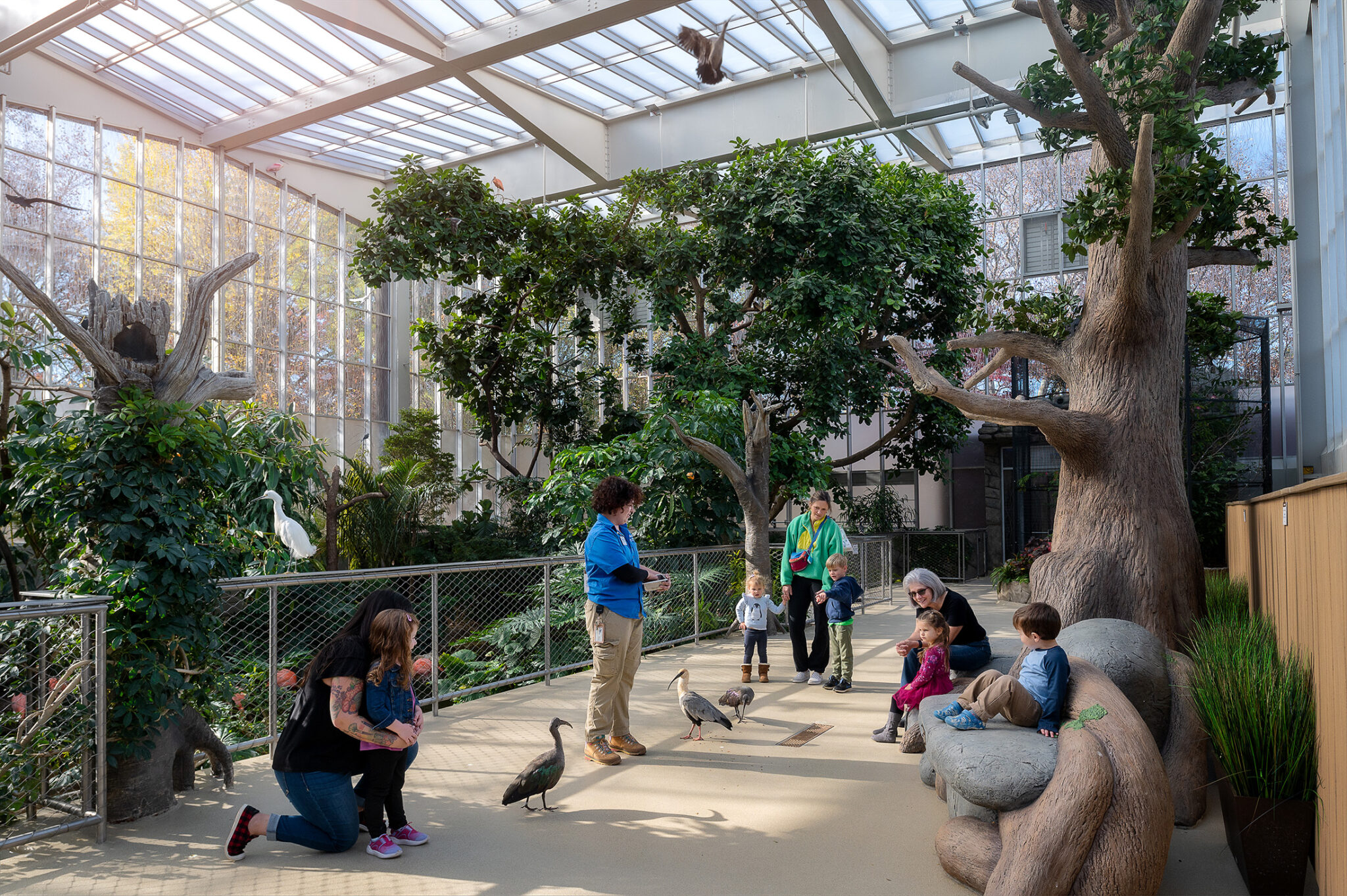
In conclusion, aviaries close to us supply an opportunity to interact with city wildlife, promote conservation, and be taught from the fascinating world of birds in city environments.
Whether or not designing neighborhood aviaries or collaborating in birdwatching golf equipment, exploring the world of birds in cities has by no means been extra thrilling and rewarding.
FAQ Nook
Q: What are the advantages of city aviaries?
A: City aviaries present a protected haven for city birds, enhancing ecosystem providers, selling city wildlife conservation, and educating folks concerning the significance of defending city wildlife.
Q: How do native chook populations affect the native atmosphere?
A: Native chook populations have a major influence on the native vegetation, water high quality, and microclimate situations close to aviaries, emphasizing the significance of monitoring chook populations over time.
Q: What are some important design issues for creating efficient aviaries?
A: Efficient aviaries require maximizing house, deciding on appropriate supplies, and offering appropriate habitats for varied chook species, making certain a protected and welcoming atmosphere for each birds and people.

