Kicking off with ASL courses close to me, this journey is designed to captivate and interact readers, setting the stage for a complete exploration of American Signal Language.
Understanding the fundamentals of ASL, together with handshapes, facial expressions, and physique language, is essential for efficient communication. Non-manual markers play a big position in ASL storytelling, showcasing the significance of visible storytelling in conveying feelings and concepts.
Understanding the Fundamentals of American Signal Language
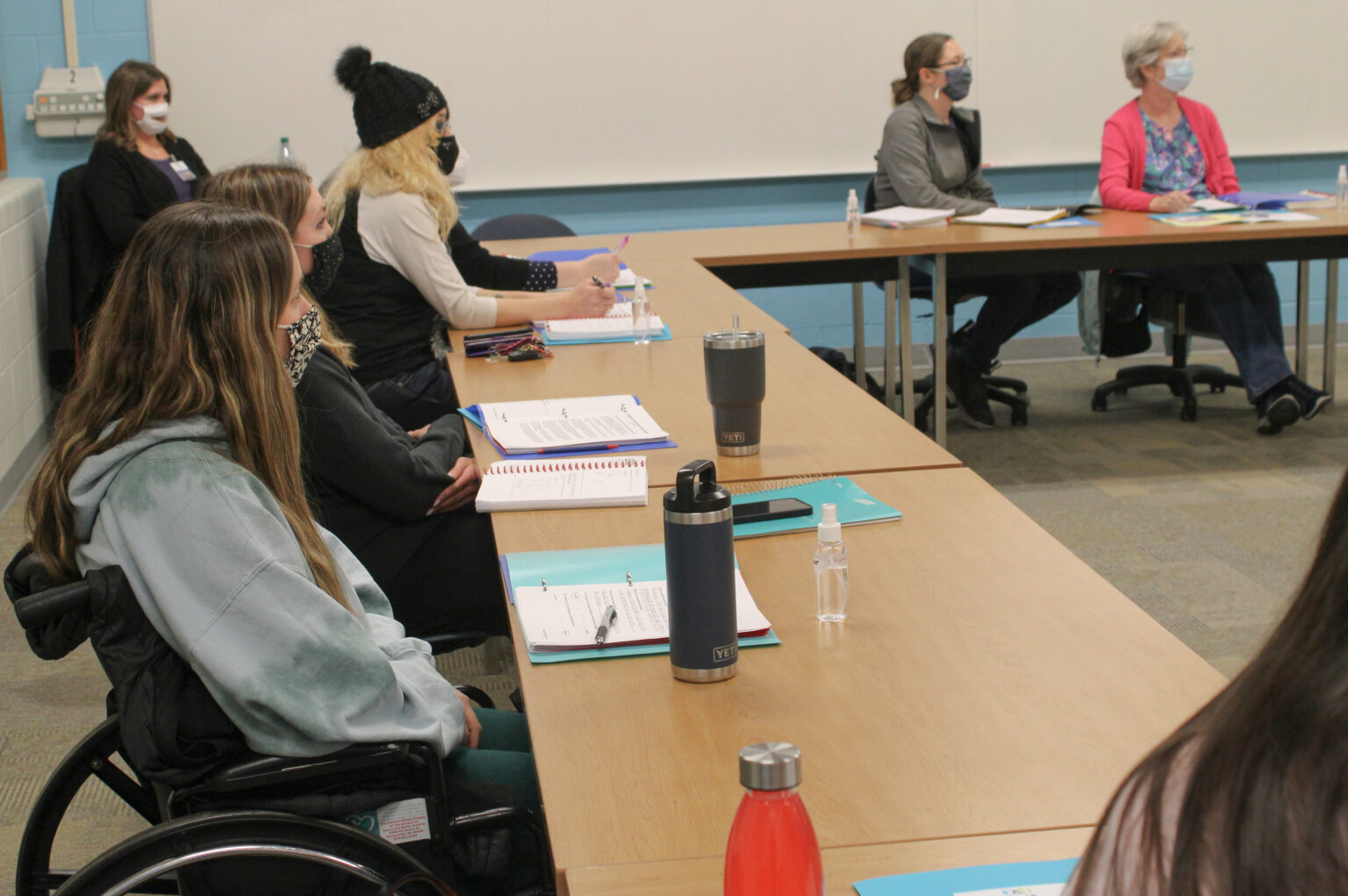
American Signal Language (ASL) is a wealthy and expressive type of communication that performs an important position within the Deaf and laborious of listening to group. At its core, ASL is a visual-gestural language that depends on a mix of handshapes, facial expressions, and physique language to convey that means. Understanding the basic ideas of ASL is important for anybody trying to talk successfully with the Deaf group.
Basic Ideas of ASL
ASL is comprised of 5 elementary parts: handshapes, facial expressions, physique language, area, and motion.
- Handshapes: ASL makes use of quite a lot of handshapes to convey completely different meanings. These handshapes are labeled into a number of classes, together with flat arms, curled arms, and index finger prolonged arms.
- Facial Expressions: Facial expressions play an important position in ASL communication, conveying feelings and perspective. They embrace eyebrow actions, mouth positions, and eye actions.
- Physique Language: ASL incorporates physique language so as to add emphasis and context to visible indicators. This consists of postures, actions, and head positions.
- House: In ASL, area is used to point relationships between indicators, convey distance, and supply spatial references.
- Motion: ASL indicators usually contain motion, which may convey motion, course, and emphasis.
Non-Guide Markers in ASL Storytelling
Non-manual markers (NMMs) are facial expressions and head actions that accompany indicators to convey feelings, perspective, and emphasis. NMMs are important for participating the viewers in ASL storytelling, offering context, and including depth to narratives.
- Instance 1: A storyteller makes use of a raised eyebrow to point a query or shock, making the story extra participating and interactive.
- Instance 2: A storyteller makes use of a furrowed forehead and downturned mouth to convey disappointment or disapproval.
- Instance 3: A storyteller makes use of a nodding head to point settlement or affirmation.
Visible Storytelling in ASL vs. Spoken Language Storytelling, Asl courses close to me
Visible storytelling in ASL and spoken language storytelling have their distinctive strengths and weaknesses. ASL storytelling depends closely on visible indicators, facial expressions, and physique language, permitting for dynamic and expressive narratives. In distinction, spoken language storytelling depends on auditory sounds and grammatical buildings, making a extra linear narrative.
Whereas ASL storytelling excels in conveying feelings and attitudes by non-manual markers and visible indicators, spoken language storytelling excels in conveying complicated concepts and summary ideas by grammatical buildings and linguistic nuances.
ASL Vocabulary and Relationship with English
ASL vocabulary has its personal distinctive construction, with distinct indicators, phrases, and idioms that will differ from their English counterparts. Whereas ASL indicators could have related meanings, they don’t seem to be all the time equal to English phrases. Understanding the connection between ASL vocabulary and English is important for efficient communication.
- Instance 1: The ASL signal for “good day” is completely different from its English counterpart, and will contain a mix of handshapes, facial expressions, and physique language.
- Instance 2: The ASL signal for “thanks” is commonly accompanied by a nodding head and a slight smile, conveying gratitude and politeness.
- Instance 3: The ASL phrase for “I do not know” is commonly signed with a shrugging shoulder and a tilted head, indicating confusion or uncertainty.
Idioms and Expressions in ASL
ASL has its personal distinctive idioms and expressions, which can differ from their English counterparts. Understanding these idioms is important for efficient communication, as they will convey nuanced meanings and cultural context.
- Instance 1: The ASL idiom “I am deaf and dumb” is used to check with somebody who will not be Deaf or laborious of listening to, relatively than being unable to talk.
- Instance 2: The ASL expression “fingerspelling” refers back to the act of signing particular person letters, relatively than utilizing phrases or phrases.
- Instance 3: The ASL phrase “ASL will not be English with arms” emphasizes the distinctive construction and vocabulary of ASL, distinct from English.
Constructing a Supportive ASL Studying Group
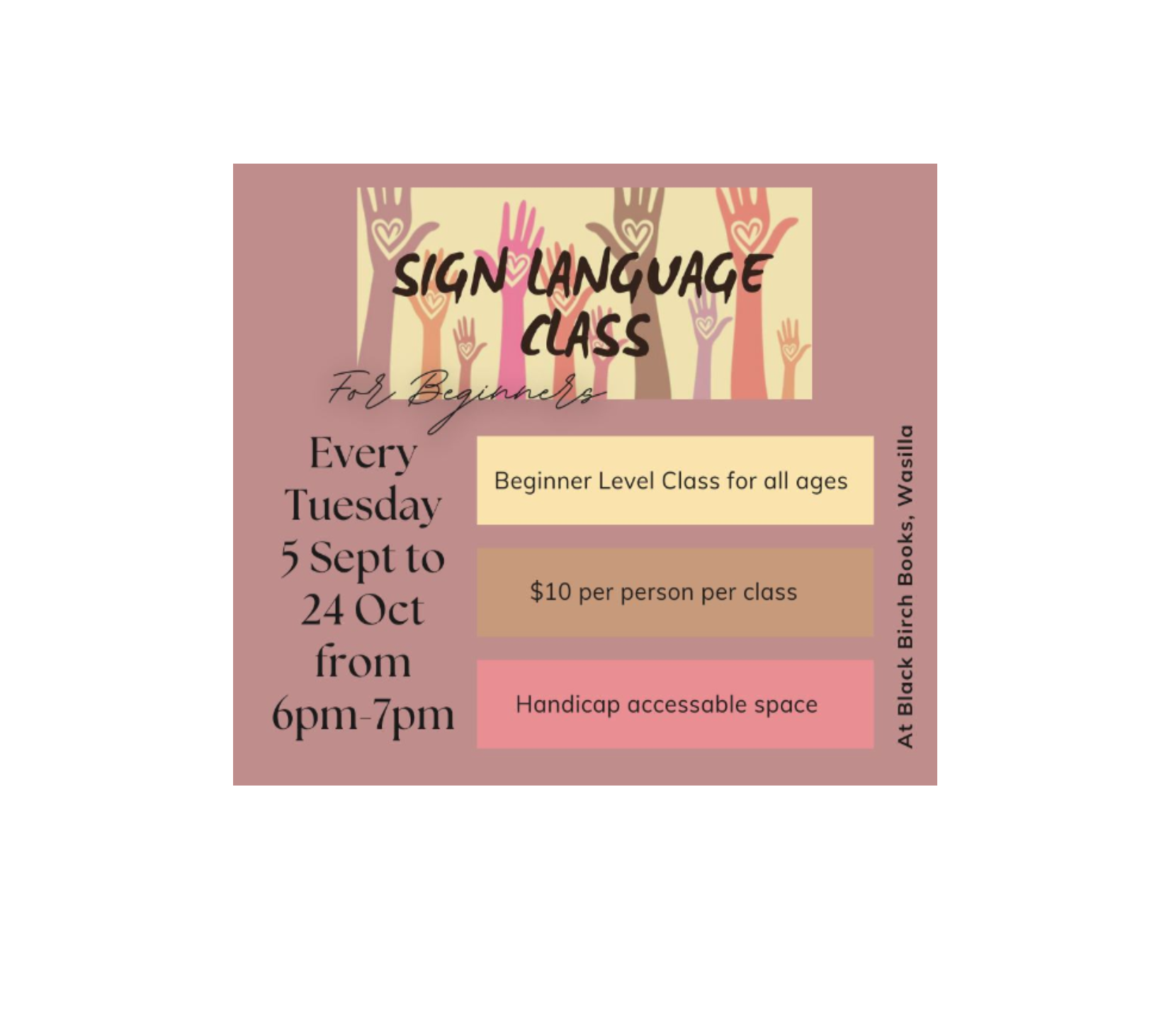
Creating a supportive studying surroundings is essential for ASL college students at numerous ranges of proficiency. A constructive and inclusive ambiance permits learners to construct confidence, overcome challenges, and domesticate a deeper understanding of the language and Deaf tradition. By fostering a way of connection and group, ASL college students can share information, assets, and experiences, in the end enhancing their studying journey.
Making a Optimistic and Inclusive Ambiance
A supportive ASL studying group will be established by numerous means, together with internet hosting Deaf-friendly occasions, social gatherings, and workshops. These occasions not solely present alternatives for socialization but in addition allow learners to interact with native ASL customers, achieve insights into Deaf tradition, and follow their language abilities in a significant manner.
- Host potluck dinners or recreation nights the place learners can work together with Deaf people and follow ASL in an informal setting.
- Arrange workshops or coaching classes on ASL linguistics, Deaf tradition, or ASL storytelling.
- Set up a mentorship program the place skilled learners can information and help newer college students.
A constructive and inclusive ambiance will also be cultivated by easy acts of respect and understanding. This consists of being conscious of non-public area, respecting eye contact, and refraining from interrupting or correcting native ASL customers. By embracing these practices, learners can create a protected and welcoming surroundings that fosters a way of belonging and encourages language studying.
Navigating Social Conditions as an ASL Learner
As an ASL learner, navigating social conditions will be each thrilling and intimidating. Understanding frequent ASL interactions and responding appropriately is important for efficient communication and constructing relationships with the Deaf group. This consists of recognizing non-manual markers, utilizing ASL grammar and syntax, and being conscious of cultural nuances.
- Acknowledge frequent ASL interactions, equivalent to greetings, introductions, and farewells, and follow responding accordingly.
- Be taught and use primary ASL phrases, equivalent to “good day,” “thanks,” and “excuse me,” to point out respect and appreciation.
- Be conscious of non-manual markers, equivalent to facial expressions, head actions, and physique language, which convey vital data in ASL.
By being conscious of those social dynamics and cultural norms, ASL learners can navigate social conditions with confidence, construct significant relationships with the Deaf group, and enrich their understanding of the language and tradition.
The Function of Expertise in Facilitating ASL Connections
Expertise has revolutionized the way in which we talk and entry data, and ASL learners can profit from numerous on-line assets and instruments. On-line boards, social media teams, and video platforms present alternatives for interplay, studying, and reference to the Deaf group.
- Be a part of on-line boards or social media teams devoted to ASL studying, the place learners can ask questions, share assets, and interact with Deaf people.
- Make the most of video platforms, equivalent to ASL College or Signing Savvy, to entry ASL classes, tutorials, and tales.
- Take part in ASL video exchanges or digital meetups to follow talking and listening with others.
By leveraging expertise, ASL learners can join with the Deaf group, develop their language abilities, and deepen their understanding of Deaf tradition, even within the absence of bodily proximity.
Communication is a two-way course of that requires mutual respect, consideration, and understanding.
This quote highlights the significance of being receptive to others, actively listening, and responding thoughtfully. Within the context of ASL studying, this mindset permits learners to construct stronger relationships, enhance communication, and foster a deeper understanding of the language and tradition.
Making ready for an ASL Class or Workshop: Asl Courses Close to Me
Making ready for an American Signal Language (ASL) class or workshop is important to make sure a profitable studying expertise. This includes setting clear studying targets, familiarizing oneself with ASL fundamentals, and working towards vocabulary and grammar.
Previous to beginning an ASL class or workshop, it’s essential to outline particular, achievable, and measurable studying targets. This may assist learners keep targeted and motivated all through the educational course of. As an example, learners could intention to grasp a sure variety of indicators, perceive ASL grammar, or enhance their dialog abilities inside a selected timeframe.
Some examples of tips on how to create a plan embrace:
- Establish the targets and targets you wish to obtain within the ASL class or workshop. This may be performed by reflecting in your motivations for studying ASL and what you hope to realize by the category.
- Break down your targets into smaller, manageable duties. For instance, if you wish to study 100 indicators inside the subsequent 6 weeks, allocate particular days for working towards and reviewing indicators.
- Set up a routine for working towards ASL outdoors of sophistication. This will embrace each day or weekly evaluate classes, working towards with a language accomplice or member of the family, and reviewing on-line assets.
Along with setting studying targets, learners also needs to familiarize themselves with ASL fundamentals earlier than beginning a category or workshop. This consists of understanding the historical past and tradition of ASL, understanding primary ASL grammar and syntax, and studying frequent indicators and vocabulary.
- Familiarize your self with the historical past and tradition of ASL. This consists of understanding the Deaf group, the historical past of ASL, and its relationship with spoken English.
- Be taught primary ASL grammar and syntax. This consists of understanding using area, handshapes, and facial expressions in ASL.
- Be taught frequent indicators and vocabulary. Begin with primary indicators equivalent to greetings, introductions, and customary phrases.
Training vocabulary and grammar can be important for mastering ASL. This may be performed by numerous strategies, together with:
- Utilizing on-line assets, equivalent to ASL signal language dictionaries and vocabulary web sites.
- Training with a language accomplice or member of the family who’s fluent in ASL.
- Reviewing and working towards ASL vocabulary and grammar by common evaluate classes.
To remain motivated and engaged throughout ASL courses or workshops, it’s important to put aside devoted follow time and be part of a help group. This may be performed by:
- Scheduling common evaluate classes with a language accomplice or tutor.
- Becoming a member of an ASL help group or on-line group to attach with different learners and skilled signers.
- Attending ASL occasions, equivalent to Deaf group gatherings, festivals, or conferences, to immerse your self within the language and tradition.
“Studying a brand new language is a lifelong journey, and mastering ASL requires steady effort and dedication. By setting clear studying targets, working towards frequently, and staying motivated, learners can obtain their targets and develop a deeper appreciation for the Deaf group and tradition.”
The worth of steady studying and enchancment in ASL can’t be overstated. By making a lifelong studying plan, learners can keep motivated and engaged, even after finishing a category or workshop.
- Set up a daily evaluate schedule to keep up and enhance ASL abilities.
- Set new studying targets and targets to proceed creating ASL abilities.
- Hunt down new assets and alternatives to study and follow ASL, equivalent to on-line programs, workshops, or language meetups.
By following these steps, learners can put together for an ASL class or workshop, keep motivated and engaged, and obtain their studying targets. Bear in mind, mastering a brand new language is a lifelong journey, and with dedication and persistence, learners can turn out to be proficient in ASL and develop a deeper appreciation for the Deaf group and tradition.
Accessing Native Assets for ASL Fans
Accessing native assets is an important step for ASL lovers trying to immerse themselves within the language and tradition. By exploring the assorted alternatives obtainable, people can achieve hands-on expertise, obtain mentorship, and join with like-minded friends. On this part, we’ll talk about the advantages of accessing native assets, fashionable assets to contemplate, and tips on how to contribute to the area people.
Fashionable Assets for Studying ASL
In terms of studying ASL, there are a number of native assets to contemplate. These embrace libraries, group facilities, and Deaf organizations, which may present a wealth of data, help, and alternatives to follow the language.
- Native Libraries: Many libraries provide ASL courses, workshops, and language studying supplies for checkout. These assets are sometimes free or low-cost and might present an awesome place to begin for these new to the language.
- Group Facilities: Group facilities usually host ASL courses, workshops, and occasions that deliver the Deaf group collectively. These occasions will be an effective way to satisfy different ASL lovers and study from skilled signers.
- Deaf Organizations: Organizations such because the Deaf Society, the Nationwide Affiliation of the Deaf, and native Deaf golf equipment usually present assets, help, and alternatives for ASL learners to attach with the Deaf group.
Advantages of Accessing Native Assets
Accessing native assets can have a big impression on ASL learners, together with hands-on follow, mentorship, and peer help. By participating with the area people, people can:
- Achieve Sensible Expertise: Native assets present alternatives to follow ASL in real-life conditions, which may also help learners turn out to be extra assured and proficient within the language.
- Obtain Mentorship: Skilled signers and mentors can present steerage, help, and suggestions, serving to learners enhance their abilities and obtain their targets.
- Join with the Deaf Group: Native assets enable people to attach with different Deaf and laborious of listening to people, creating a way of belonging and understanding.
Monetary Help for ASL Courses or Workshops
Whereas some assets could require cost, there are potential sources of economic help obtainable for ASL courses or workshops. These embrace scholarships and grants, which may also help offset the prices of studying the language.
Examples of Monetary Help
Some fashionable sources of economic help for ASL learners embrace:
- Scholarships: Many organizations, such because the ASL College Scholarship Fund, provide scholarships to ASL learners who reveal monetary want or educational advantage.
- Grants: Grants, such because the ASL Training Grant, present funding for ASL learners to attend workshops, conferences, or language immersion applications.
Contributing to the Native Group
Lastly, ASL lovers can contribute to their area people by volunteering with native organizations or collaborating in group occasions. This not solely helps to create a extra inclusive and accessible group but in addition offers alternatives to follow ASL in real-life conditions.
- Volunteering: Organizations such because the Deaf Society usually depend on volunteers to help with occasions, courses, and different actions. By volunteering, people can achieve hands-on expertise and contribute to their area people.
- Taking part in Occasions: Group occasions, equivalent to Deaf festivals, ASL storytelling nights, and Deaf artwork displays, present alternatives to attach with the Deaf group and follow ASL in a enjoyable and fascinating manner.
Ultimate Wrap-Up
The advantages of enrolling in native ASL courses are quite a few, together with improved communication with the Deaf group, elevated cultural consciousness, and a deeper understanding of ASL vocabulary and its relationship with English.
Bear in mind, studying ASL is a lifelong course of, and steady enchancment is important for efficient communication and reference to the Deaf group.
Questions Typically Requested
Q: What’s one of the simplest ways to study ASL?
A: One of the best ways to study ASL is thru a mix of follow, immersion, and instruction from certified academics or mentors. Enrolling in native ASL courses, working towards with native signers, and immersing your self in Deaf tradition are all efficient methods to enhance your ASL abilities.
Q: Can I study ASL on-line?
A: Sure, there are various on-line assets and courses obtainable for studying ASL, together with tutorials, movies, and interactive platforms. Nevertheless, on-line studying ought to be supplemented with in-person follow and instruction for optimum outcomes.
Q: How lengthy does it take to study ASL?
A: The period of time it takes to study ASL relies on numerous elements, together with your language studying skill, the frequency and high quality of your follow, and your publicity to Deaf tradition. Nevertheless, with constant effort, you may develop primary ASL abilities in a couple of months to a yr.
Q: Are ASL courses appropriate for all ages?
A: Sure, ASL courses are appropriate for individuals of all ages, together with kids, adults, and seniors. In truth, studying ASL will be an effective way to maintain your thoughts lively, join along with your group, and develop new abilities.

